
Machining & Casting & Pressing
CNC machining, casting and press work for parts that need tight tolerances or specific material properties.
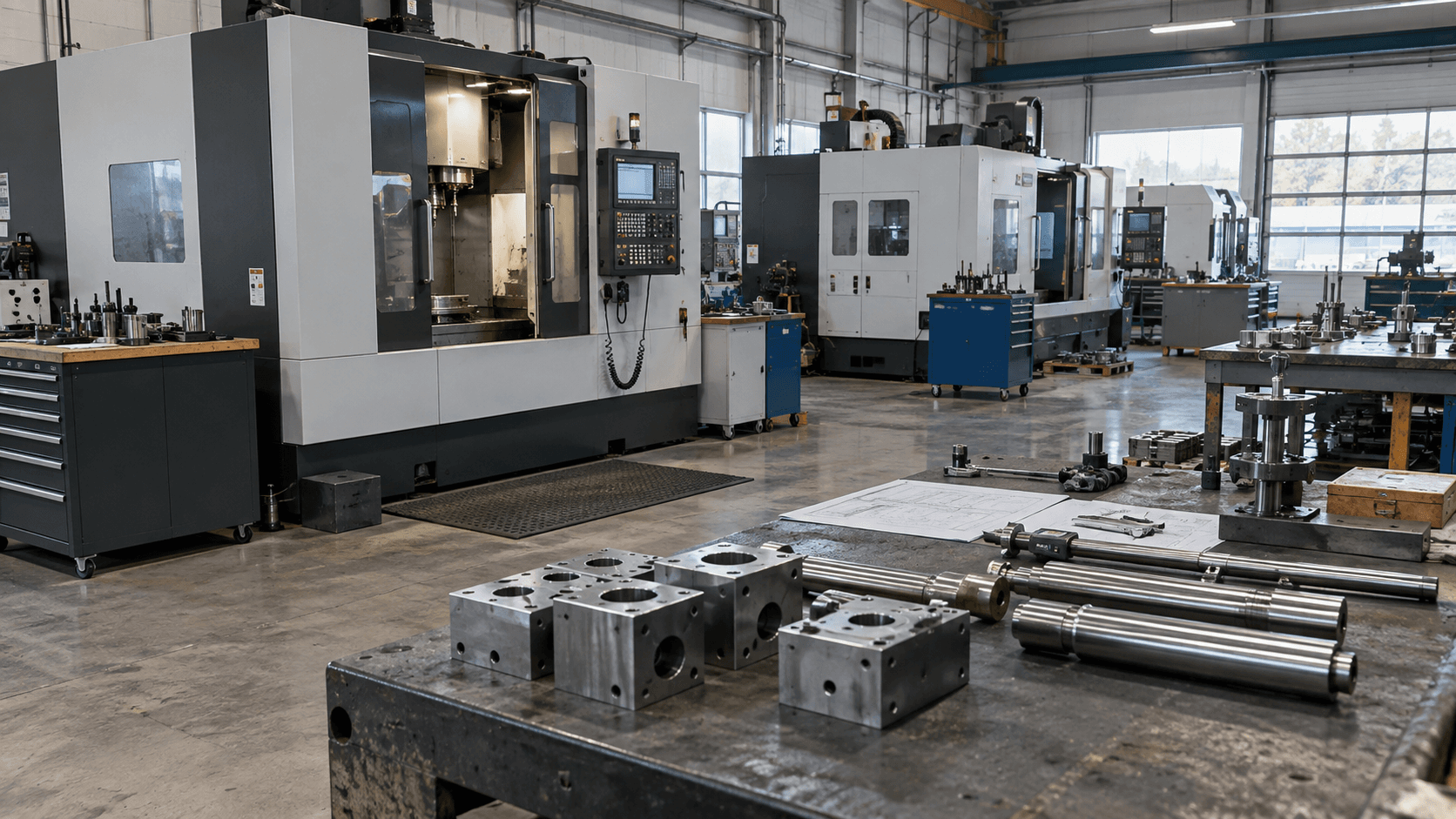
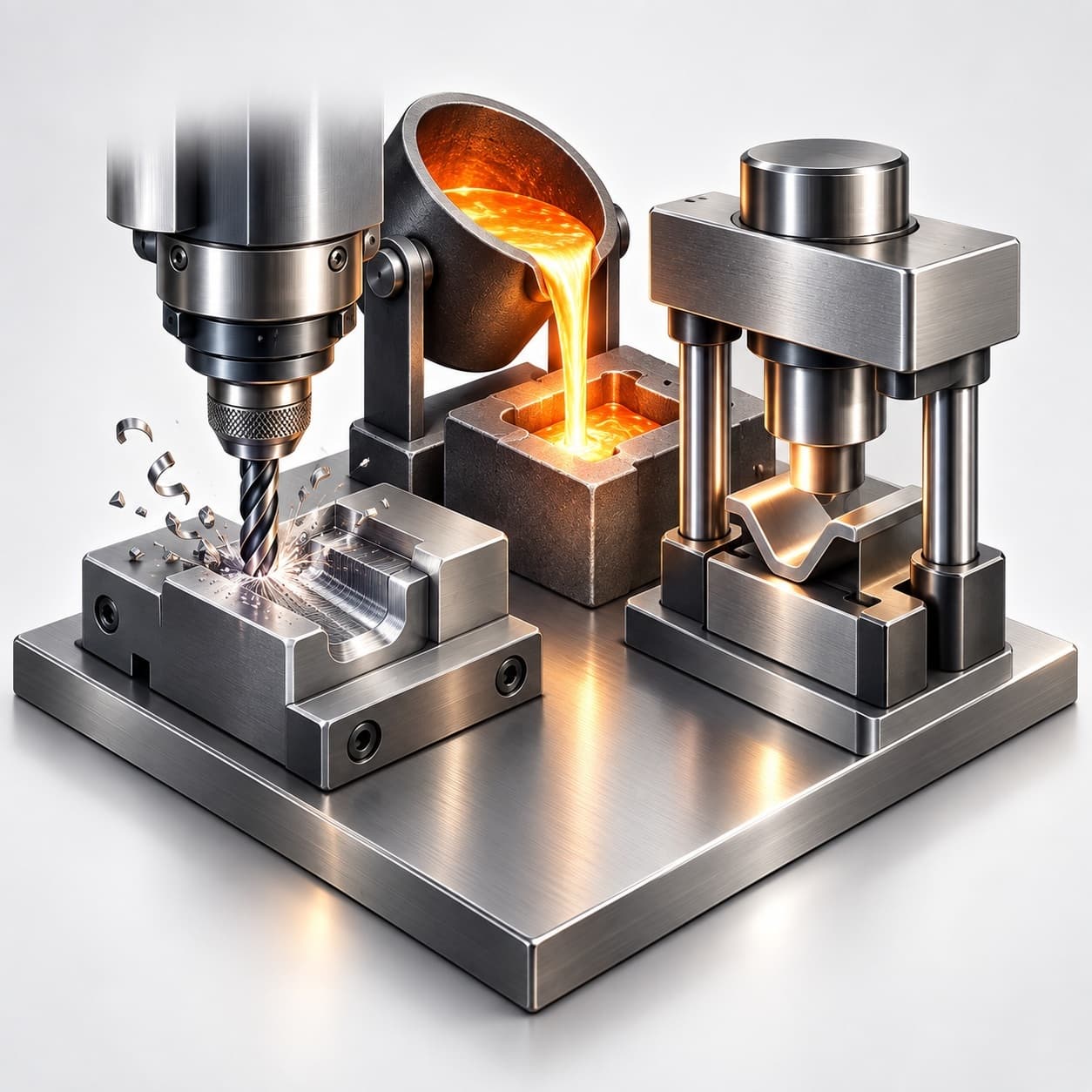
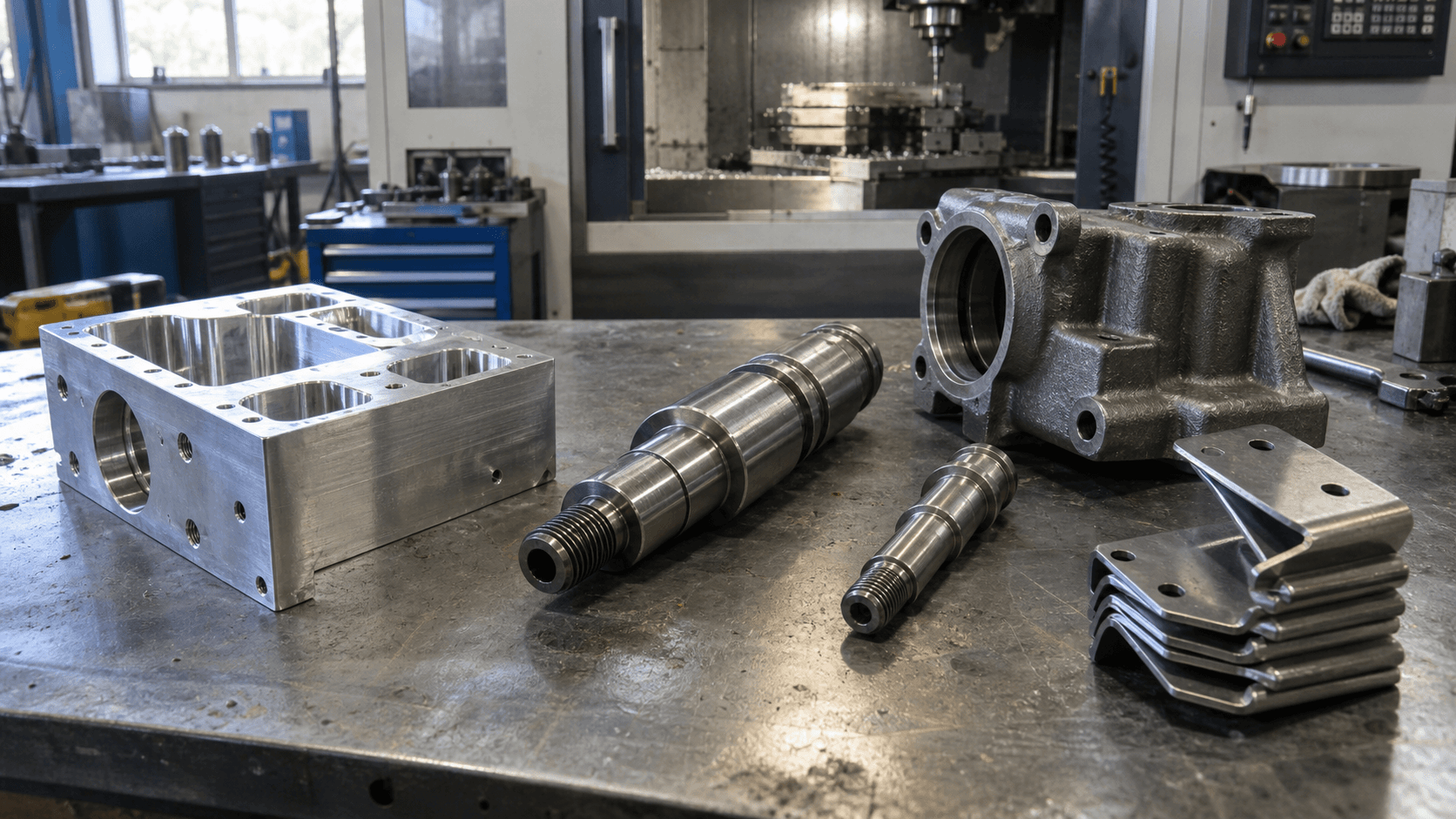
Get a QuoteOur machining, casting and pressing services offer versatile routes to producing metal components for machinery, equipment and specialist applications. Machining creates defined features by removing material, casting forms parts from molten metal, and pressing uses tooling and force to shape sheet metal into repeatable forms.
These processes can be used individually or combined to suit your component's geometry, material and production quantity. Cast or pressed parts can be machined further to achieve accurate mating surfaces, bores and fixing points. From initial development to batch production, we work to your specifications with attention to dimensional requirements, surface finish and how each part will function within the finished assembly.
What's included
Machining
CNC Milling
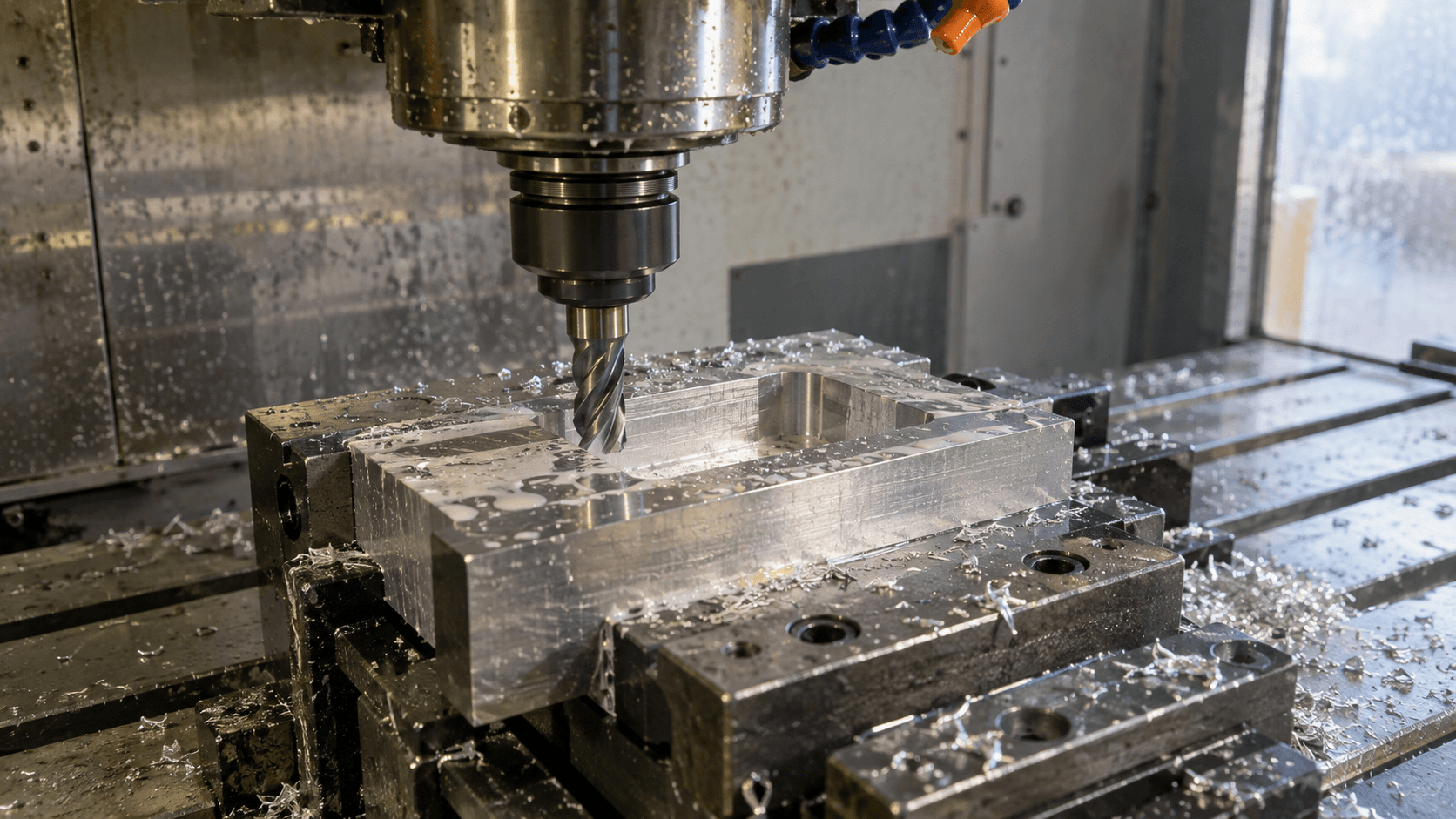
CNC milling uses rotating cutting tools to create pockets, slots, holes and contoured surfaces in metal workpieces. It is well suited to mounting blocks, machine housings and custom parts that require several features positioned accurately relative to one another. Guided by your CAD model or engineering drawing, the milling process controls cutting depth and tool movement to achieve the specified dimensions and surface finish.
CNC Turning
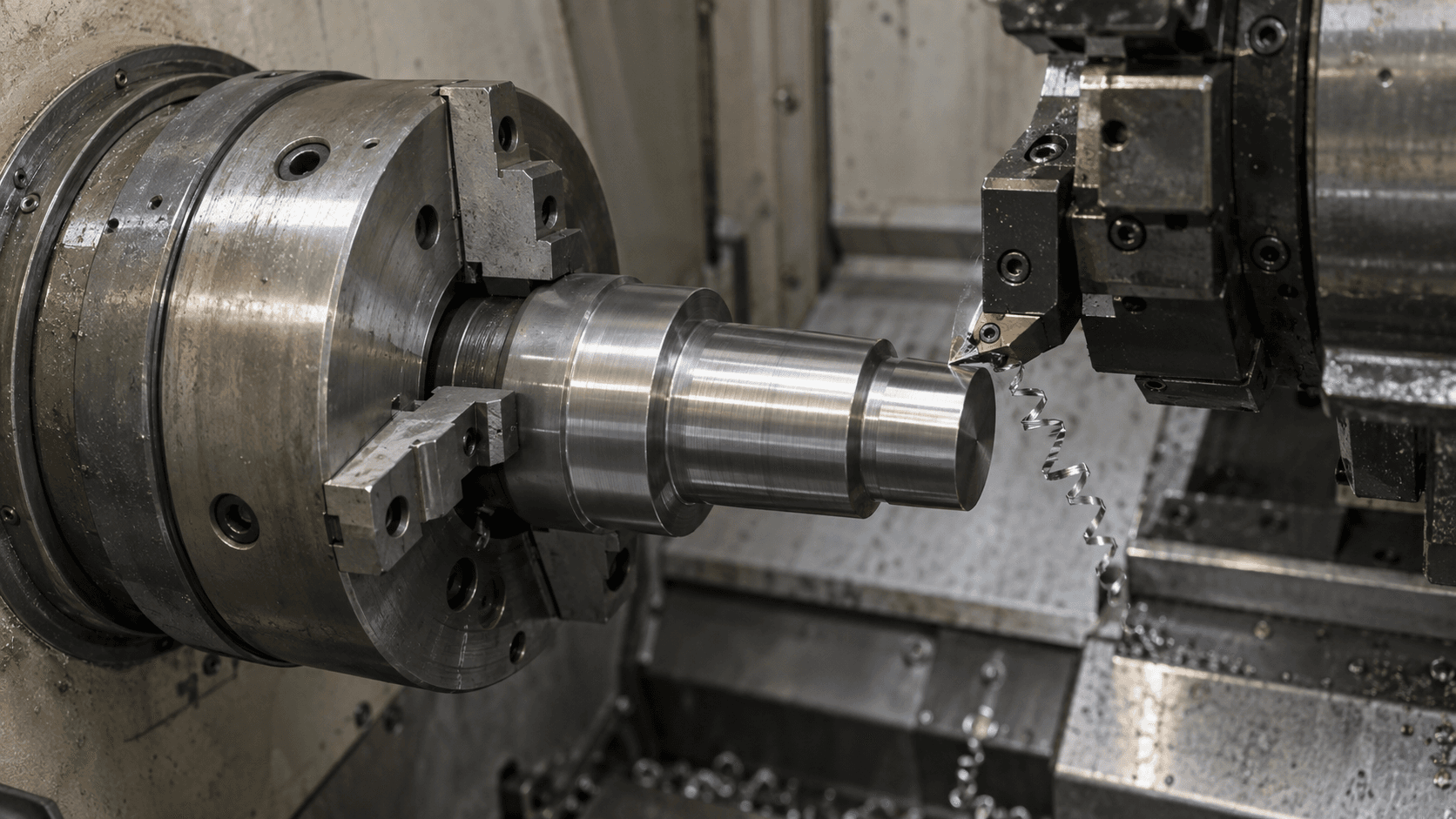
CNC turning shapes rotating metal stock into cylindrical components such as shafts, bushes, pins and threaded fittings. Cutting tools form external diameters, internal bores, grooves and tapers, allowing several features to be produced in a single setup. Particular attention is given to concentricity and mating dimensions, helping parts rotate smoothly or fit securely within bearings, housings and other assemblies.
Drilling & Tapping
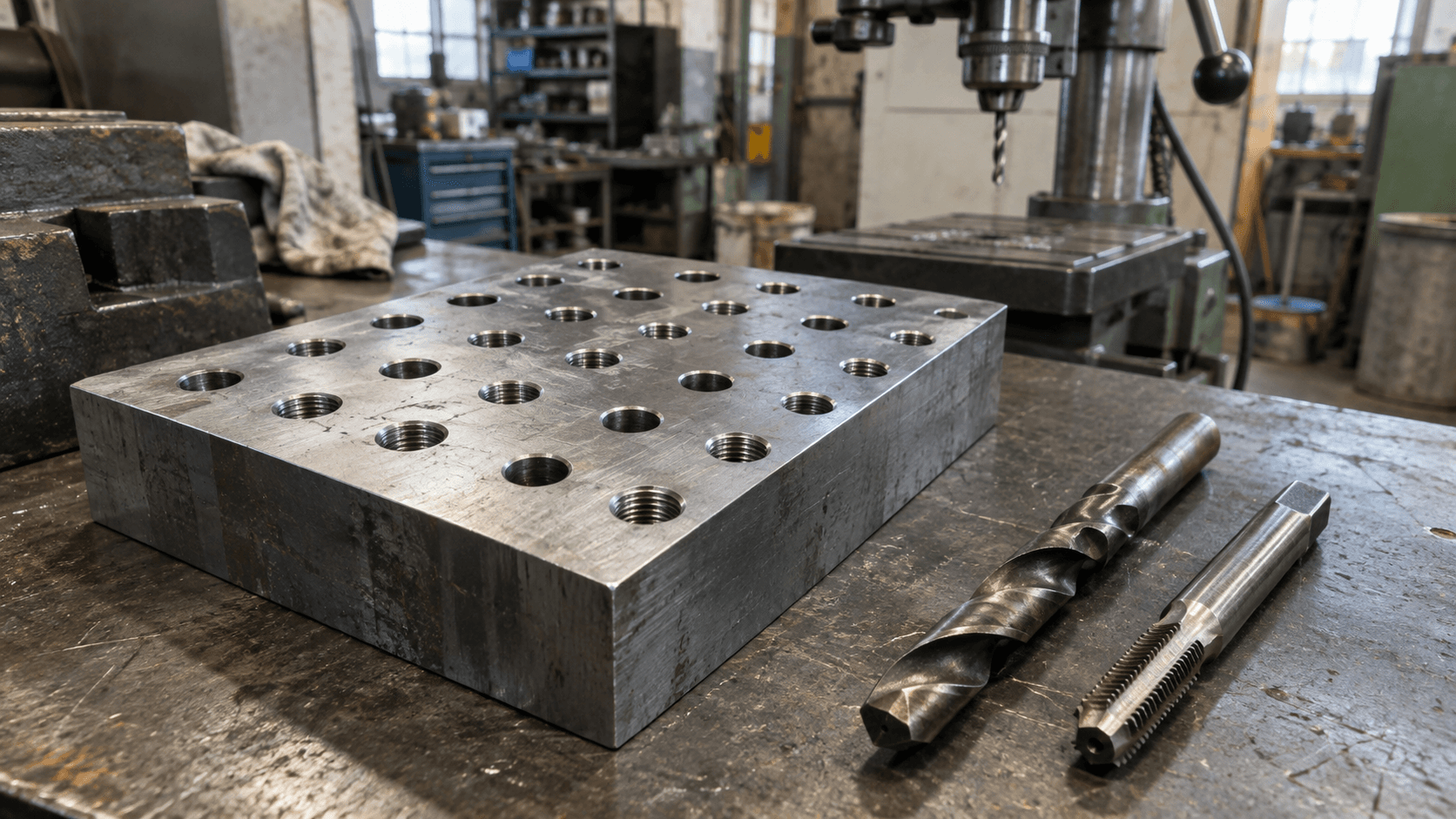
Drilling and tapping prepare metal components for bolted connections by creating accurately positioned holes and internal threads. From clearance holes in plates to threaded fixing points in machined blocks, each feature is matched to the specified fastener size and engagement depth. Suitable for individual parts and repeated hole patterns, the service supports straightforward assembly and secure fastening without the need for separate nuts where the design allows.
Precision Grinding
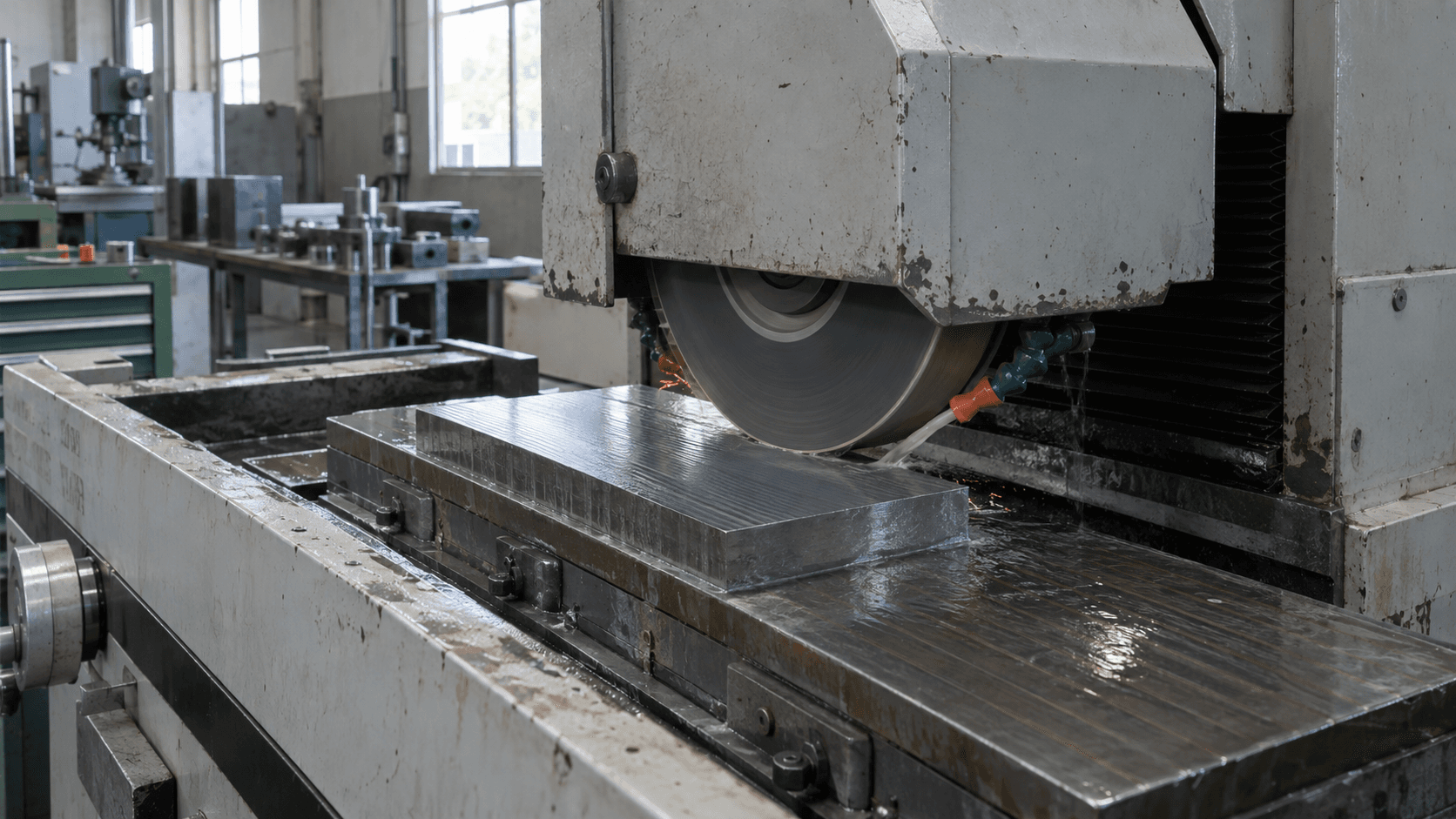
Precision grinding refines metal surfaces where tight tolerances and a fine finish are essential. Abrasive wheels remove small amounts of material to improve flatness, parallelism or roundness on parts such as shafts, spacers and tooling. Often used after machining or heat treatment, the process brings critical surfaces to their final dimensions, supporting close fits and reliable contact between mating components.
Casting
Sand Casting
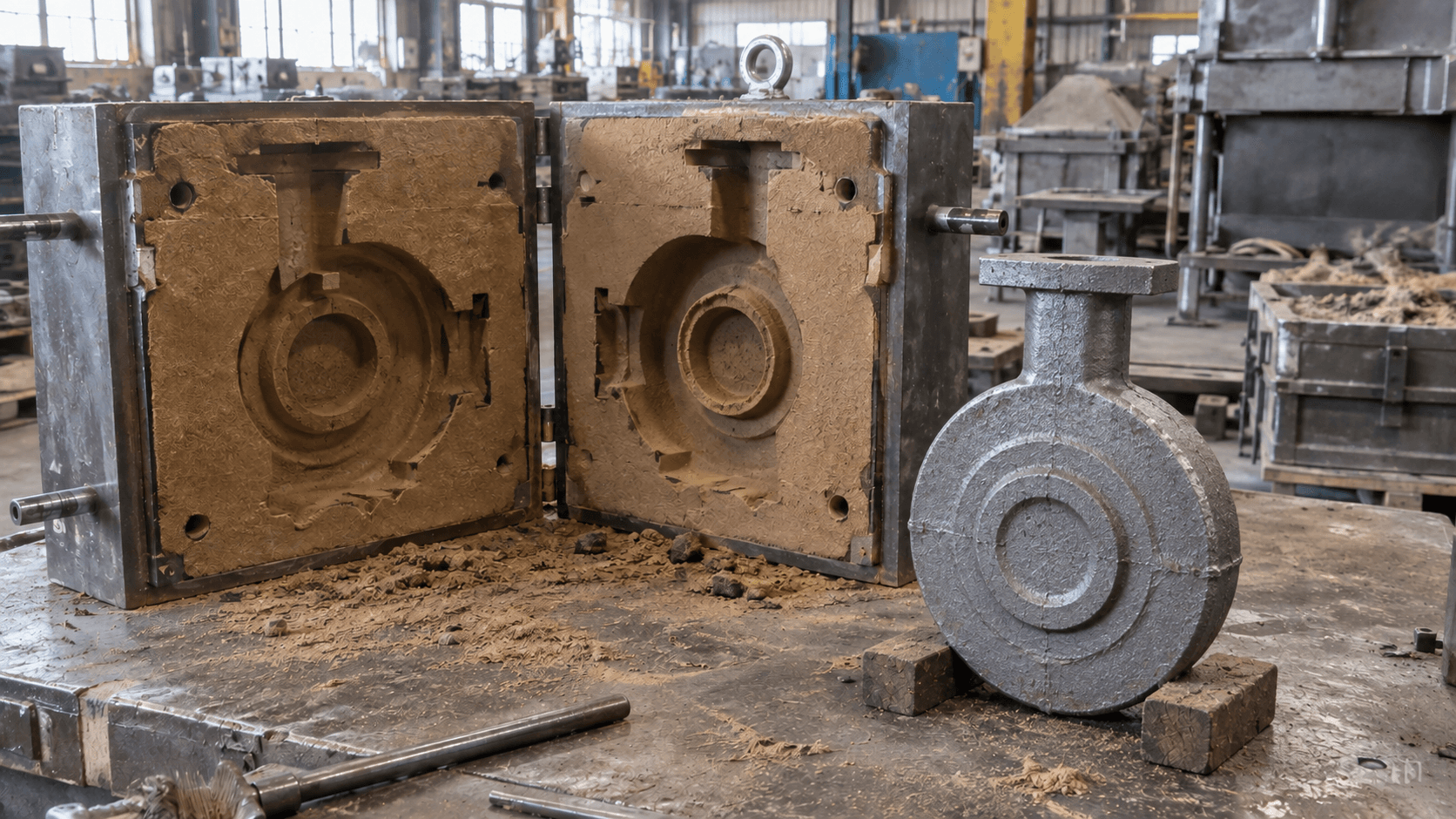
Sand casting produces metal parts by pouring molten material into a shaped sand mould, offering flexibility for large components and complex forms. Internal cores can create hollow sections and passages, making the process suitable for pump bodies, machinery bases and industrial housings. Once cooled, the casting is removed from the mould and cleaned, with machining applied where precise dimensions or finished contact surfaces are required.
Die Casting
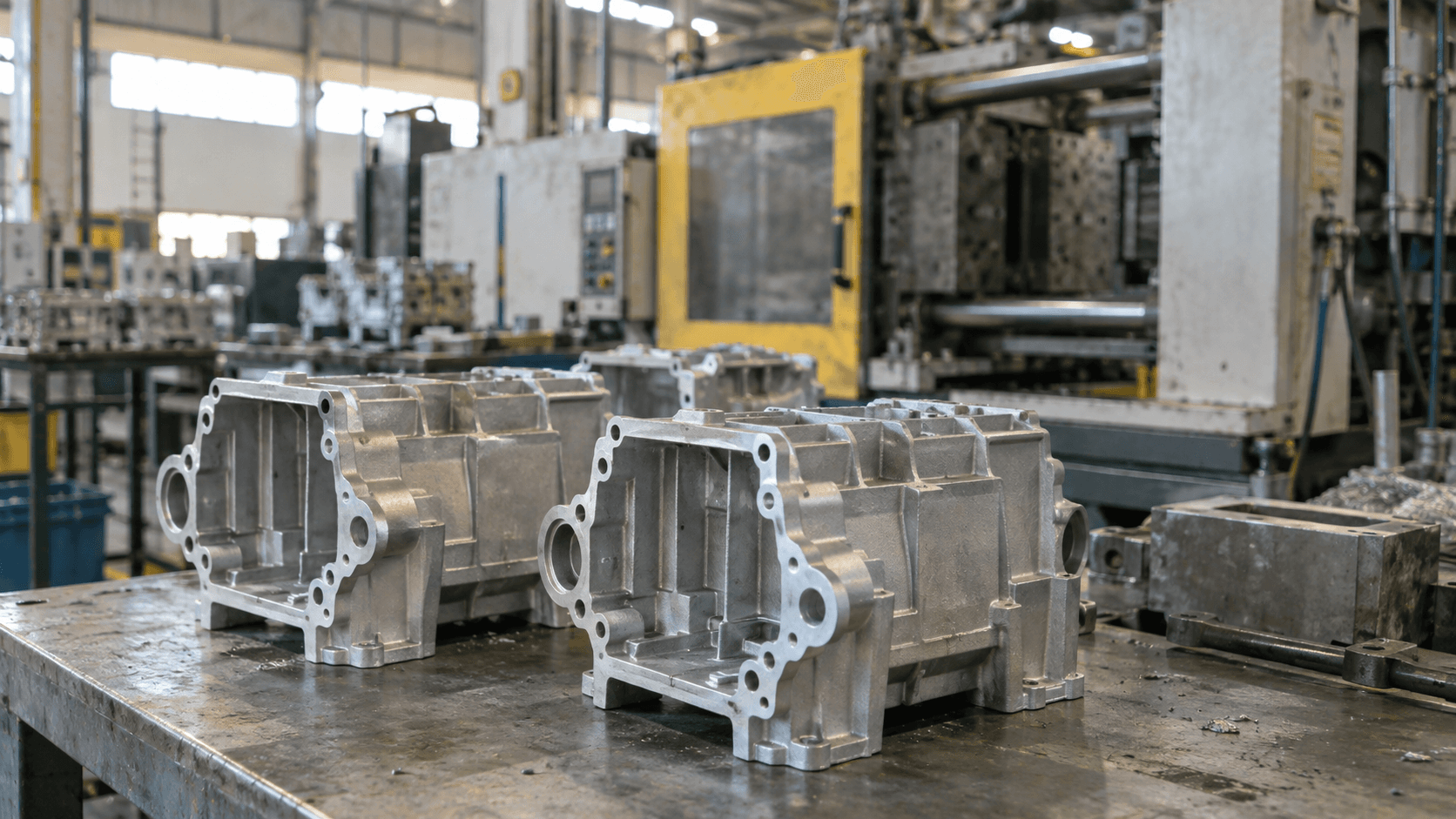
Die casting injects molten metal into reusable steel moulds under pressure to produce detailed, consistently shaped components. Particularly suited to aluminium and zinc alloys, it enables thin walls, defined edges and integrated features such as ribs and mounting bosses. The process is an efficient choice for higher-volume production of enclosures, handles and equipment parts, with machining or surface treatments added where needed.
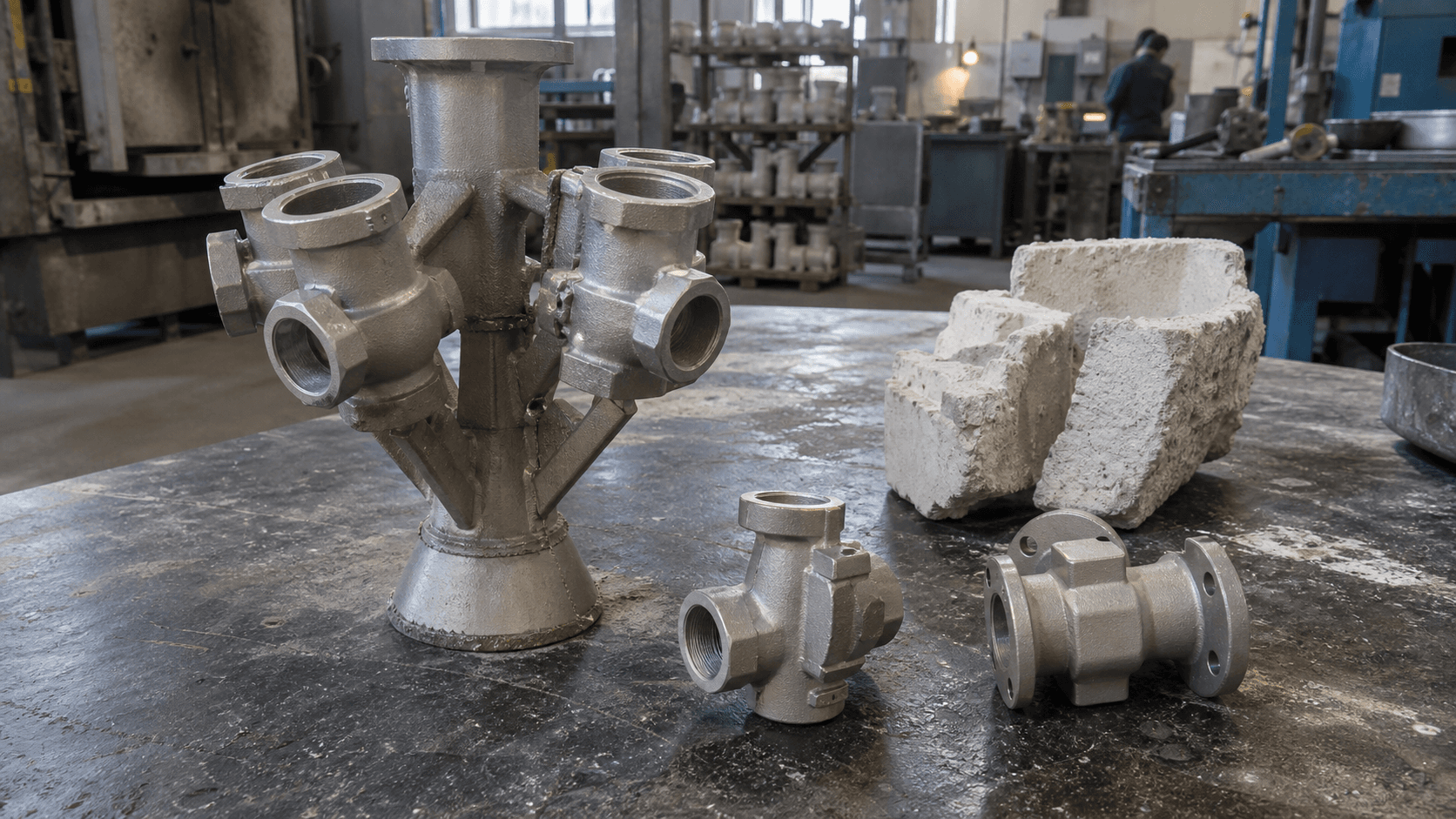
Investment Casting
Investment casting, also known as lost-wax casting, creates intricate metal components using a ceramic mould formed around a disposable wax pattern. It accommodates fine details, complex contours and internal features that can be difficult to achieve through conventional machining alone. Common applications include valve components, impellers and specialist fittings, where near-net shapes and a smooth cast finish help reduce subsequent machining.
Pressing & Stamping
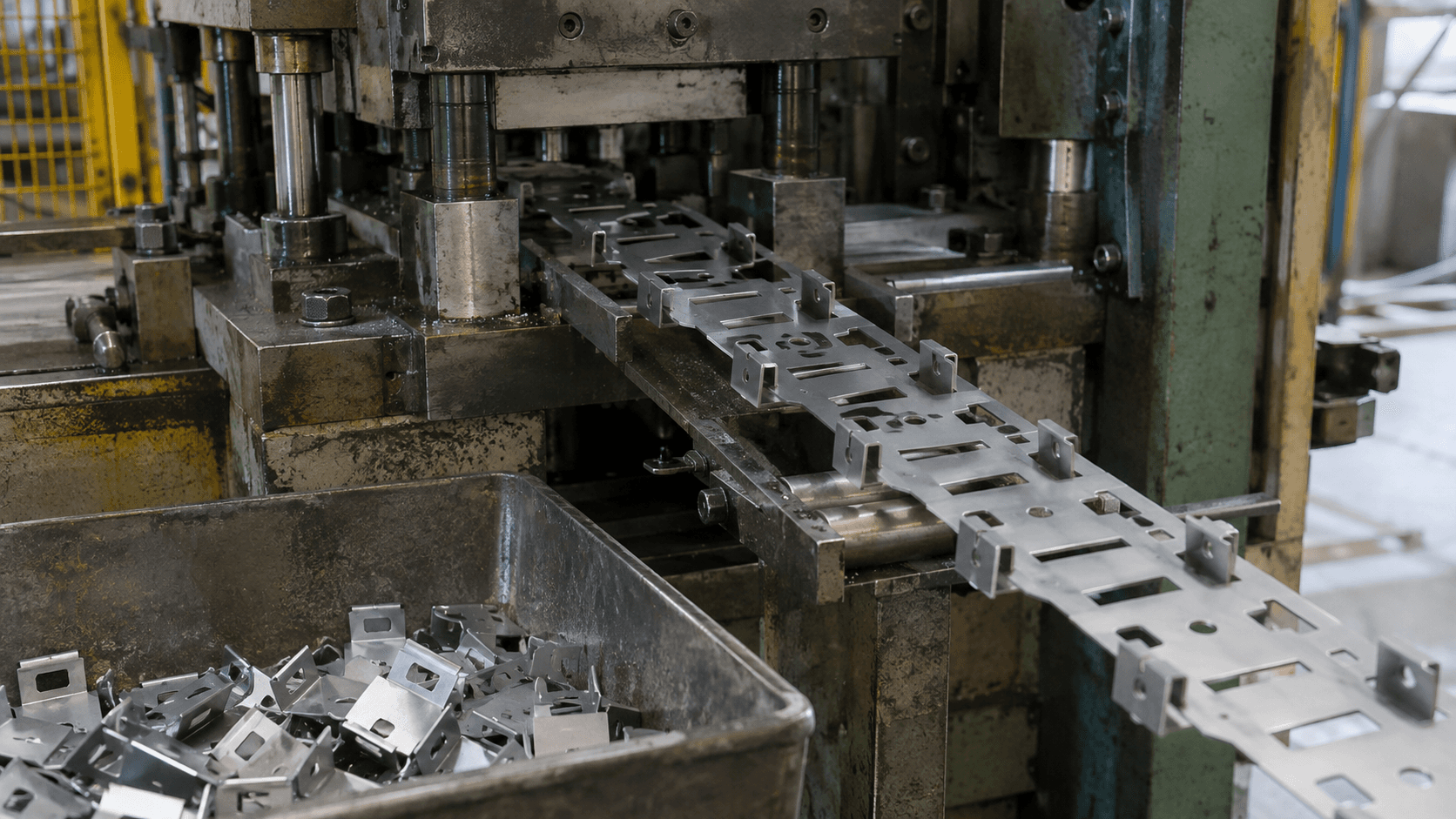
Metal Stamping
Metal stamping uses a press and dedicated dies to cut and shape sheet metal into components such as clips, brackets, terminals and cover plates. Operations including blanking, piercing, embossing and forming can be combined to create multiple features efficiently. Well suited to repeat production, the process delivers consistent part geometry while reducing the handling needed between separate manufacturing stages.
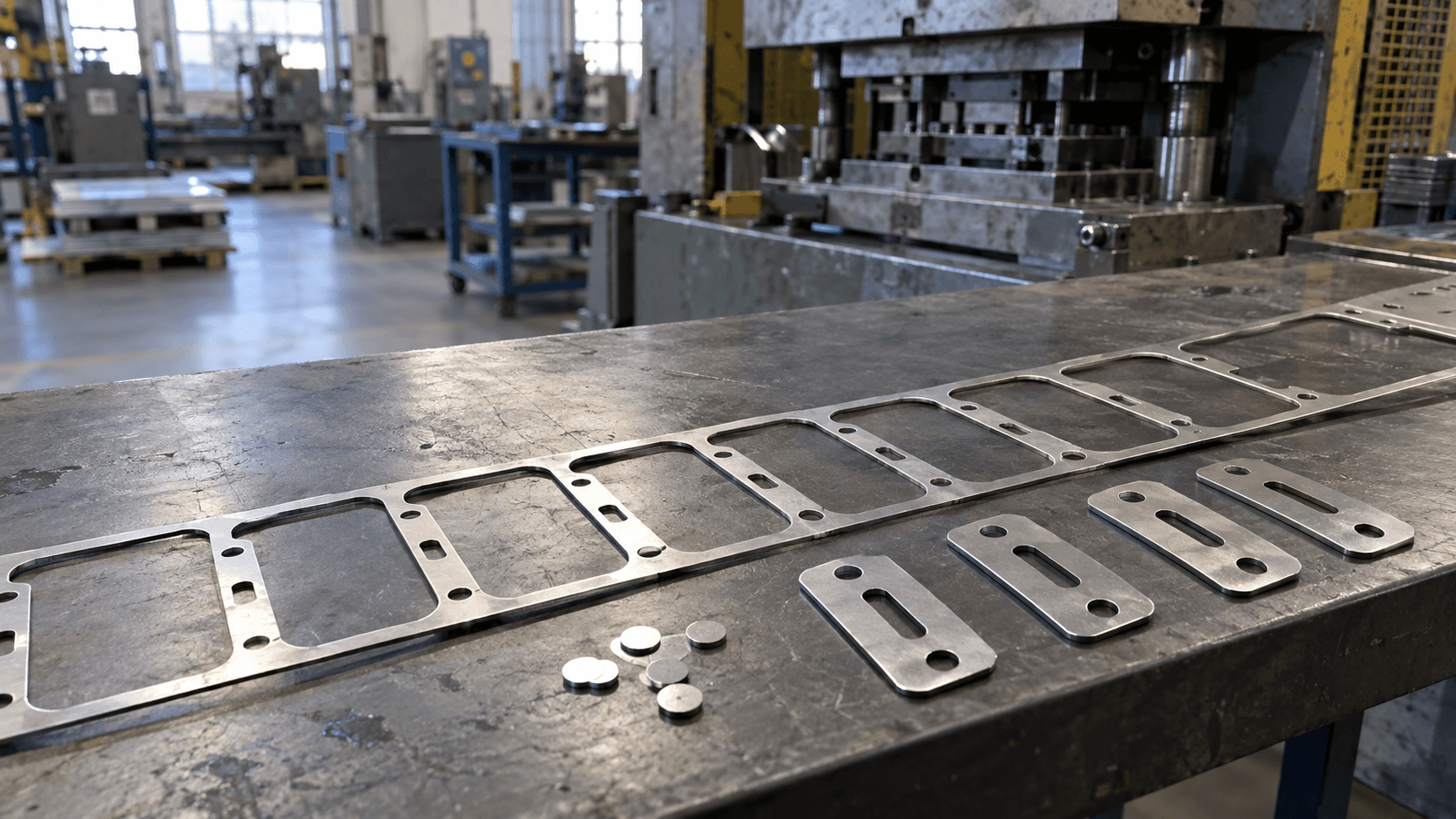
Blanking & Piercing
Blanking and piercing use punch-and-die tooling to cut sheet metal into defined outlines and openings. Blanking produces the outer shape of a component, while piercing creates holes, slots and other internal cut-outs. Often carried out together, these operations prepare flat parts for further forming or assembly, maintaining consistent profiles and hole positions across production batches.
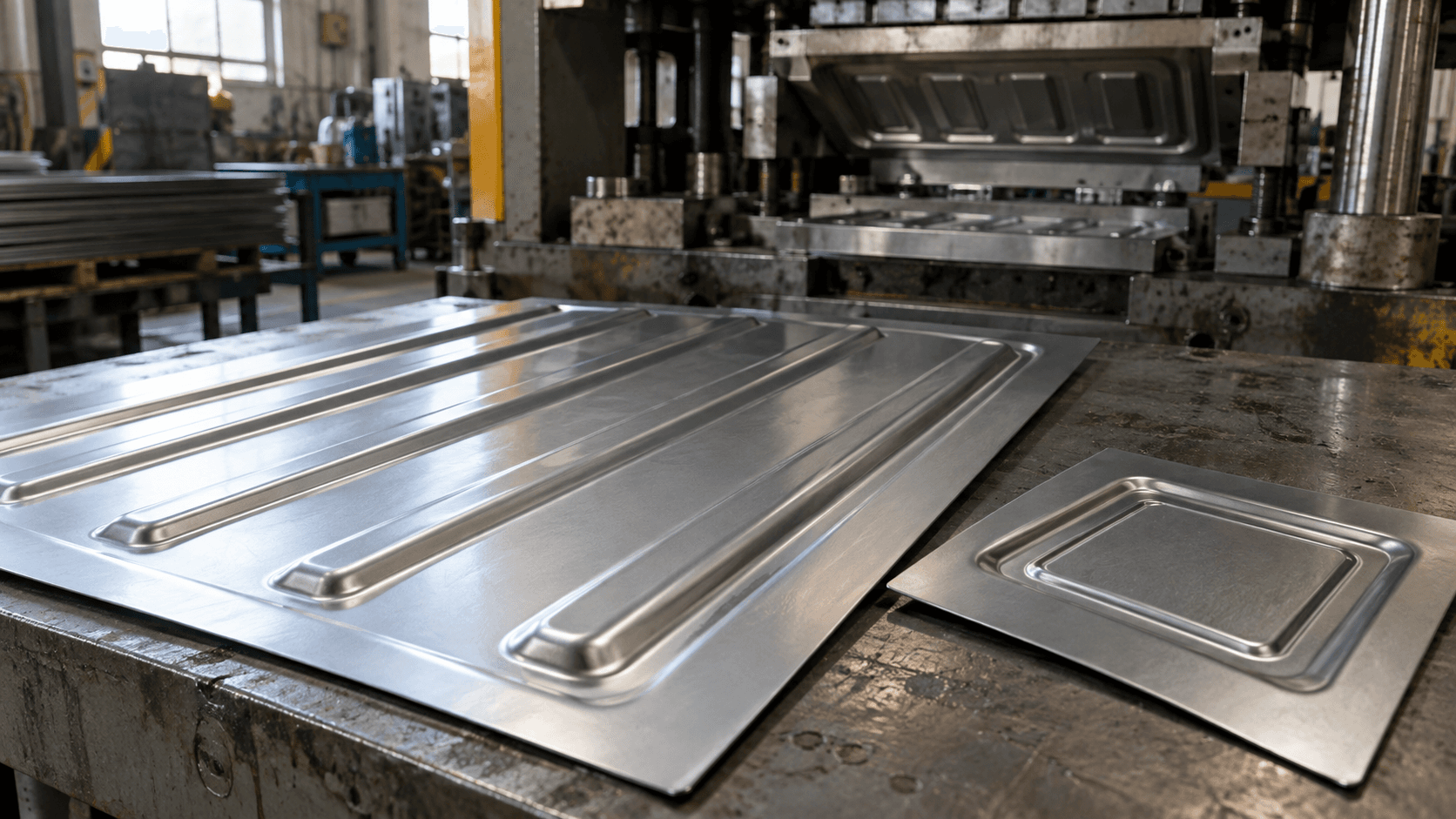
Embossing
Metal embossing presses raised or recessed details into sheet metal without cutting through its surface. It can add stiffening ribs, textured patterns, identification marks and decorative features to panels, covers and other components. Matched tooling defines the depth and shape of each impression, creating repeatable details that enhance appearance or improve rigidity without adding separate parts.
From raw material to precision part — let's get it made.
Tell us what you need and we'll get you a competitive quote directly.