
18 October 2026
Minimum Order Quantities in Metal Fabrication: What You Need to Know
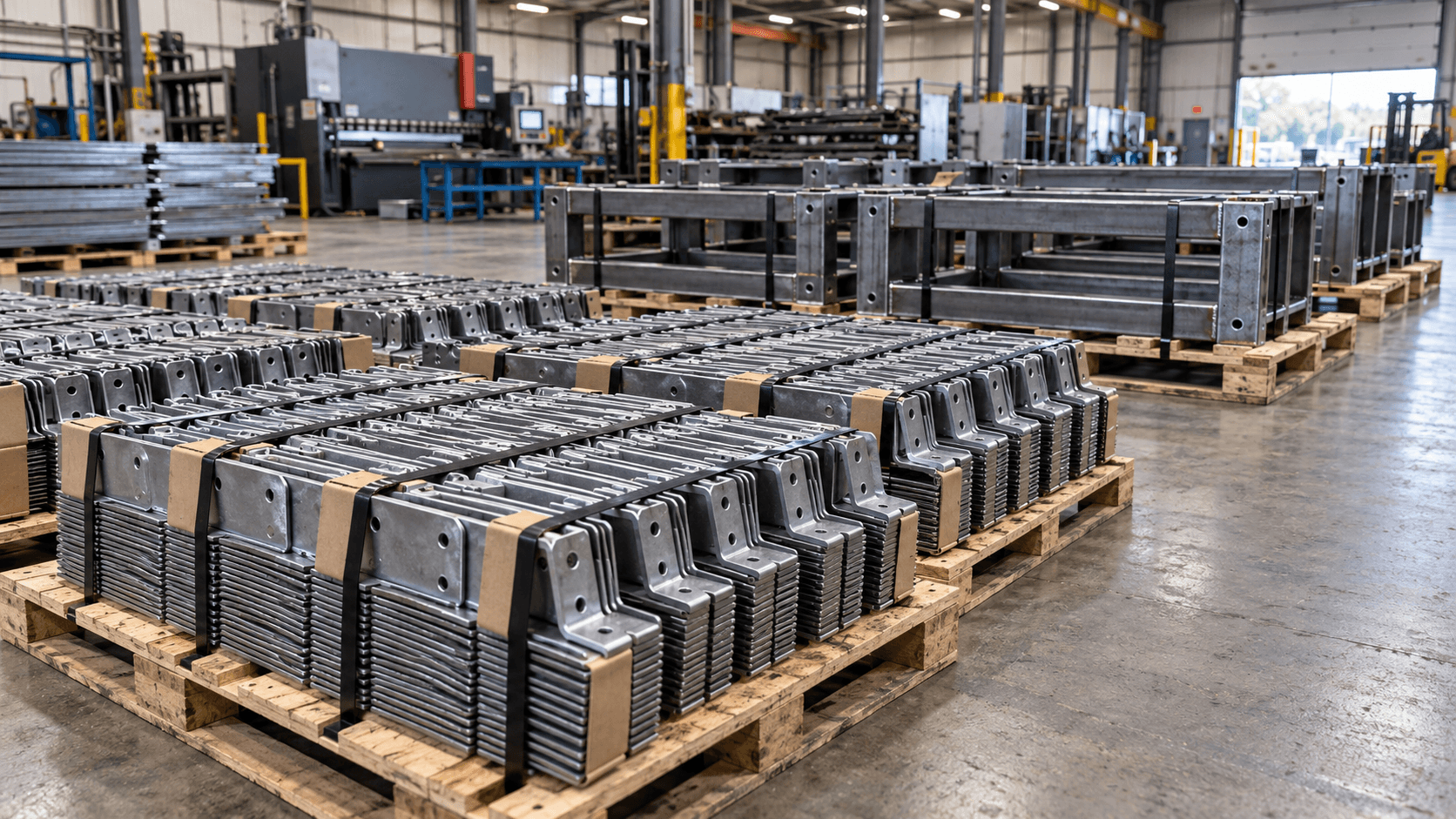
"What's your minimum order?" is one of the first questions we get, and it's a reasonable one to ask before you invest time writing up a requirement. The honest answer is that we don't work to a single fixed number — but there's a clear reason volume matters as much as it does, and it's worth understanding before you request a quote.
Metal fabrication has real setup costs that exist whether you're ordering one part or ten thousand: programming the cutting path, setting up tooling on a press brake, configuring a jig for welding, running a first-article check before full production starts. On a large batch, that setup cost is spread thin enough to barely register in the unit price. On a batch of five, it can dominate it. That's not a pricing decision anyone makes — it's just the economics of the process, and it's true regardless of which supplier you're talking to.

It's also why we think about volume in shipping terms rather than a flat piece count. A container load of small brackets and a container load of large weldments represent very different part quantities, but similar overall economics — which is a big part of why our model is built around container-based, full truck load, or pallet-based orders rather than one-off or small-batch runs. A fixed minimum quantity would actually describe the fit less accurately than volume does.
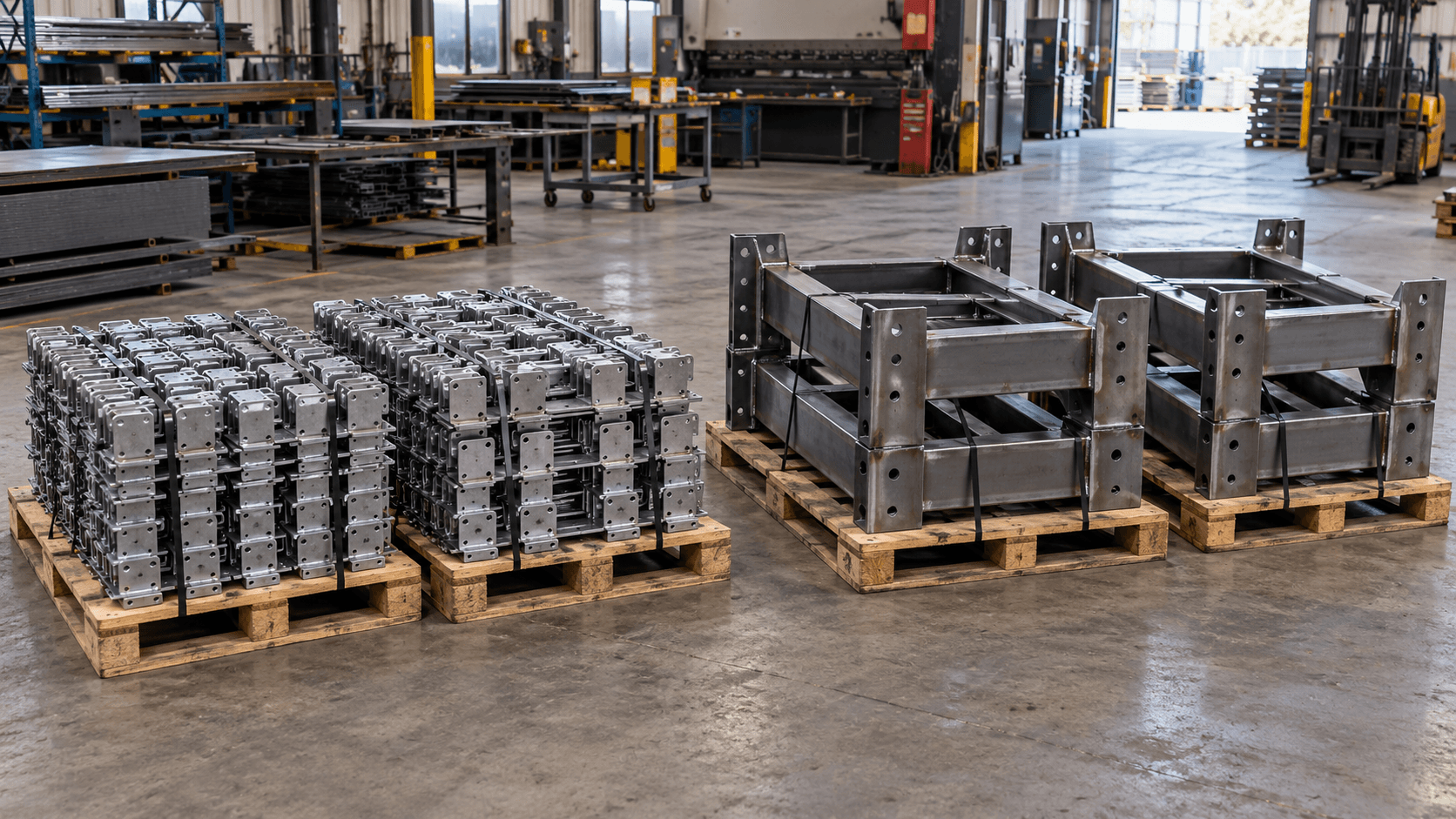
That doesn't mean we won't make a prototype. We do, as the first step towards a production run: proving out a design before committing to volume is exactly how a lot of good production work starts. What isn't a good fit is a standalone one-off, or a handful of parts with no production run to follow. In that case we'd rather tell you plainly than take on a project that isn't a good economic fit for either side. Being upfront about that at the start saves everyone time.

If it does sound like your project — you're planning a production run, not a one-off — the fastest way to find out where you stand is to just ask. Share your drawings along with your expected volume (container, truckload, pallet count, or unit quantity if that's clearer for your project) and we'll tell you directly whether it's a fit and what it would cost, with no obligation either way.